
Hoboken and the surrounding Hudson County area
Water Damage Drying and Sewer Backup Cleanup in Hoboken
Get the water out and the building dry inside the window that decides whether this stays a cleanup or turns into a mold job, and establish first whether what came in was clean or contaminated.
Water Damage Drying quote
Tell us when the water arrived, where it came in, and whether it came up through a drain or down from above. That last one decides the scope, and we would much rather know it in your first sentence than on day three.
Would you rather talk it through? Call (315) 640-3590, answered 24/7.
$100 off your first job
Credited by us on your first booked job.
- One credit per customer per property, on your first booked job.
- Valid through December 31, 2026.
Mention this offer when you book. Full terms.
Why where the water came from decides the whole job
Water on the floor is a clock, and what it turns into depends on where it came from. Clean water dried inside 24 to 48 hours will in most cases grow nothing at all, which is the EPA's own position, and then there is no mold job to pay for later. Water that came back up a basement floor drain is a different matter. The sewer authority names Hoboken as a combined sewer community, meaning one pipe carries household wastewater and street stormwater together, so here heavy rain and a basement backup are the same event. That water is Category 3 under the industry water damage standard, defined as grossly contaminated and including waste line backflows from beyond any trap, regardless of what it looks like. Soaked porous material gets removed rather than dried. Same puddle, two completely different scopes and two very different invoices, and the first thing anyone should establish is which one you have.
- Emergency extraction of standing water from basements, garden level apartments and ground floor units
- Establishing the category of the water, which is the decision everything else follows from
- Containment, removal and disposal of porous material soaked by a backup, instead of drying it in place
- Cleaning and decontamination of the hard surfaces that stay, with the additional steps the state describes for water that contained sewage
- Structural drying with air movers and dehumidifiers, to a measured target rather than to the touch
- Daily moisture readings logged, so the end of the job is a number and not an opinion
- Drying inside wall cavities, under layered flooring and behind baseboard, where the water goes and a towel does not
- Humidity control in a cool basement through July and August, where the water is condensation rather than a leak
- A written record of the event, the readings and the drying, for an insurance claim, a landlord or a condo board
- A handover to assessment and removal if the drying could not get there in time, with the reason on the record
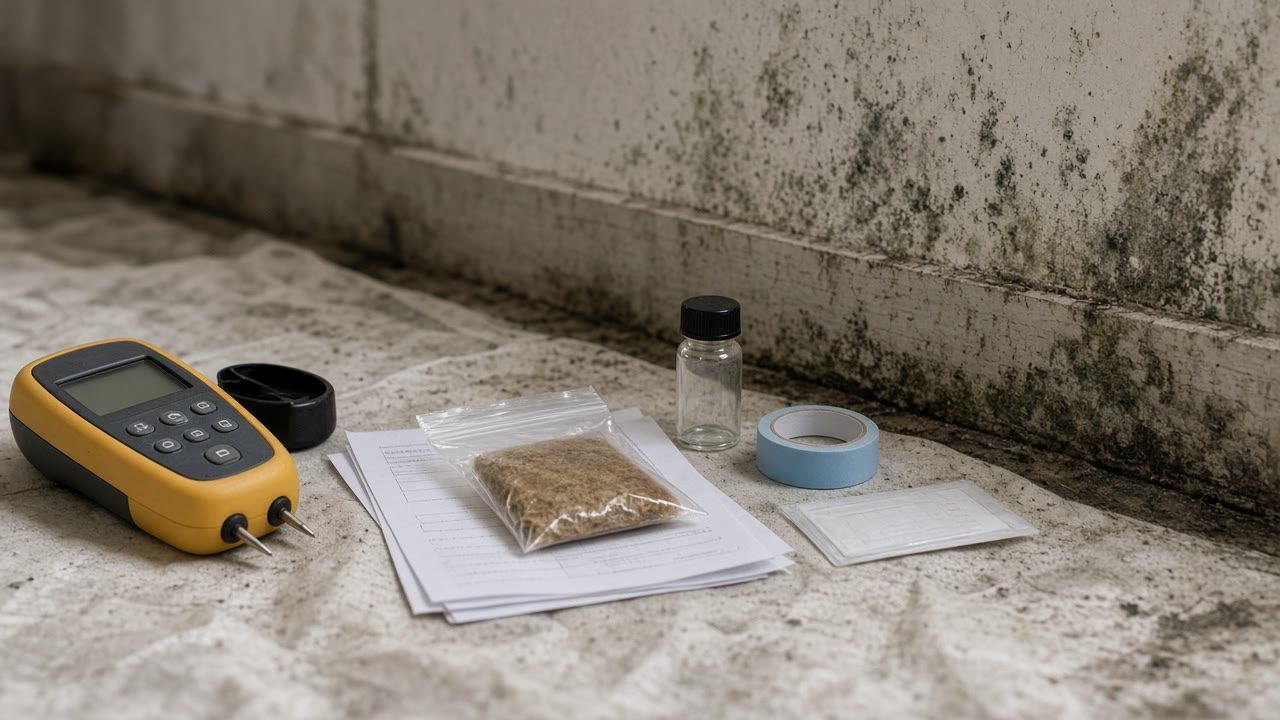
What decides whether this dries out or comes out
Two basements with the same depth of water can be two completely different invoices. What separates them is how the water got in, and how long it sat before anyone moved.
Whether the water came up or came down
The sewer authority lists Hoboken among its combined sewer communities, where one pipe carries wastewater and stormwater together and the lowest opening indoors is a basement floor drain. A backup through that drain is Category 3 by definition, so it is cleaned and removed rather than dried, while the same volume of clean water from a supply line is a straightforward dry-out.
How many hours have passed
The EPA's line is that materials dried within 24 to 48 hours of a leak or spill will in most cases not grow mold. Beat that and the whole thing ends as a drying bill. Miss it and an assessment normally has to come first, which costs more than the fans would have.
How hard it rained
The City states that as little as 0.8 inches of rain per hour overwhelms the system. That is an ordinary summer thunderstorm, not a hurricane, so the right question is rarely whether there was a named storm. It is what the drain did while it was raining.
The ground level at the address
Jackson Street at Observer Highway sits about 4.3 feet above sea level while Washington Street at First Street, six blocks east, is about 16.4 feet. Twelve feet of difference inside six blocks is why one building takes water several times a year and another on the same street has never been wet.
What is under the wet floor
Tile over a slab dries. Engineered flooring over a pad over a subfloor holds water between the layers where no meter reading taken on the surface will find it, and that is where a job that looked finished on day two comes back on day ten.
When the building last flooded
In April 2025 the City and the sewer authority installed five new submersible stormwater pumps at ResilienCity Park, able to move about 30 million gallons a day out of the one million gallon tank beneath it. Northwest Hoboken is not the same risk it was, so date any flood story you are told about a building before you price the next one.
Who is responsible for the building
About 66 percent of occupied homes here are rentals and roughly 93 percent of homes are in buildings of three or more units, so the water that reached your floor very often came through someone else's pipe or someone else's common element. Say who the landlord, board or management company is at the start, because the drying record is evidence before it is a receipt.
Whether this is water at all
The hourly dew point at Newark Liberty holds between about 62 and 64 degrees all day on July 15. A basement wall colder than that pulls water out of ordinary summer air with no leak involved anywhere, and a dehumidifier will beat a restoration crew every time on that particular problem.
If it came up the drain, the scope just changed
Tell us where the water came in and how long ago. That is enough to say whether this is a drying job or a removal, and there is no obligation in finding out.
What happens from the first hour to the final reading
Establish where the water came in
Up through a drain or a fixture, down from a roof, parapet or upstairs unit, or out of a supply line. This is the first question and not a formality: it sets the category, and the category sets everything from the containment to the disposal to what the insurer will want to see.
Wait for the pipe, if the rain is still falling
Extracting while a combined sewer is still backing up is work you pay for twice. During a storm the useful moves are getting contents up off the floor and cutting power to wet circuits, and a company that tells you that instead of arriving with a truck is the one to keep.
Extract and get the contents out
Standing water out first, then everything porous that is sitting in it lifted, sorted and either moved to dry or bagged, depending on what the water was. Contents decisions are easier in the first hours than on the third day.
Remove what the water disqualified
After a backup, the drywall, insulation, carpet and pad the water touched come out. The EPA says porous material may be impossible to clean completely because mold grows into its crevices, and the Department of Health says water containing sewage requires additional assessment, cleaning and decontamination steps.
Clean and decontaminate what stays
Framing, masonry, slab and hard surfaces are cleaned rather than merely dried after a contaminated event. This is the step a drying-only quote leaves out, and it is the step that separates a sewer job from a burst pipe job.
Dry to a number
Air movers and dehumidifiers set for the materials and the cavity, with readings taken daily and written down. The job ends when the readings say it has, not when the floor feels dry to a hand, because the wall cavity is always behind the surface.
Record it while it is still happening
Dated photographs, the readings and what was removed. Federal flood insurance records list 2,216 paid claims for Hoboken totaling about 56.5 million dollars, so this is a city where adjusters have seen every version of this argument, and a drying log written at the time is what ends it.
Say honestly whether it dried in time
If the window was already gone before anyone arrived, the right answer is an assessment, not a longer drying invoice. That handover goes to a different company, which is also who should verify the work afterwards.
Water Damage Drying work we have arranged
What water damage drying looks like
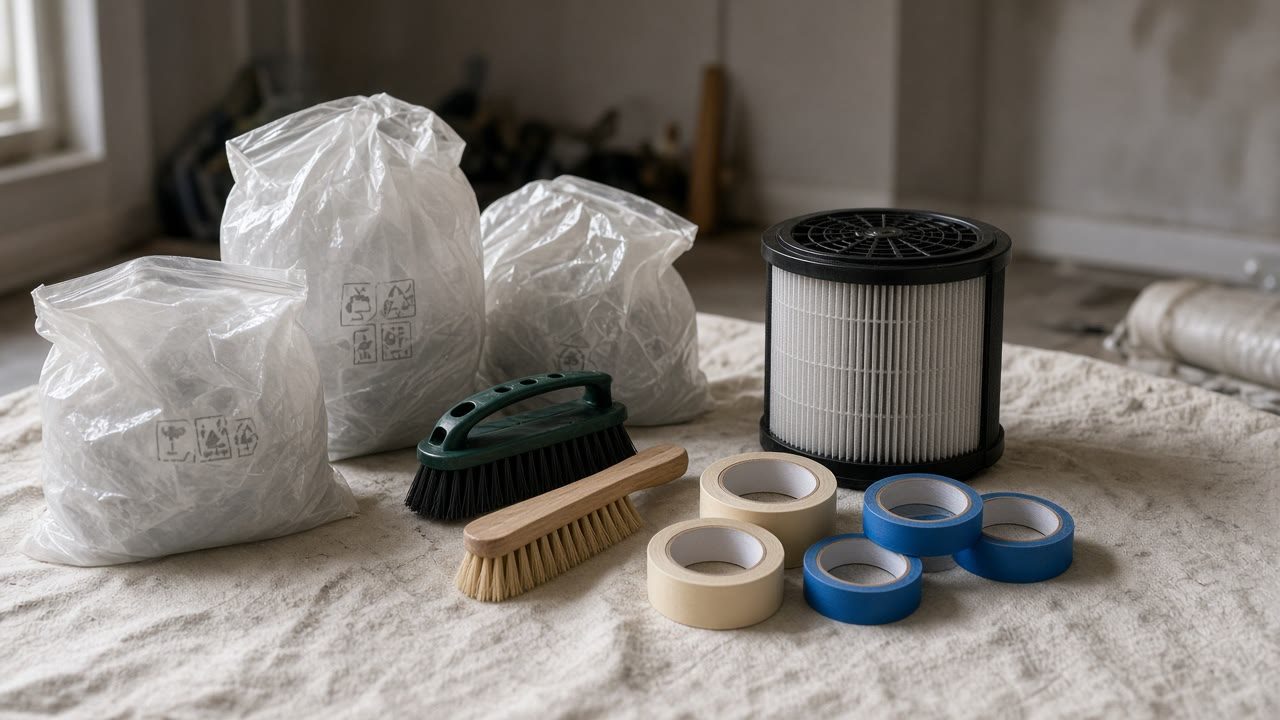

Where a dry-out stops, and when you can handle it yourself
When you may not need this at all
- A clean water spill caught within the hour on tile or sealed concrete is a mop, a fan and an open window. Nobody needs to be called out for it.
- If clean water reached porous material and you can get air moving over it within a day, the EPA's position is that in most cases mold will not grow. Rented fans and a dehumidifier, started immediately, can end the whole thing before it becomes a job.
- If the basement is only damp through July and August and there is no water anywhere, that is condensation rather than a leak. With the dew point at Newark Liberty sitting around 62 to 64 degrees in midsummer, any surface colder than that will sweat. A hygrometer and a dehumidifier are the fix.
- If the rain has not stopped and water is still coming in, hold off. Extraction against a drain that is still backing up is money spent on work that has to be repeated.
- If the water is clean, the area is small and it is all on a hard surface you can reach, there is no license requirement and no reason you cannot handle it yourself.
What is out of scope
- Repairing the lateral, the floor drain, the pump, the roof or the supply line that admitted the water.
- Installing backwater valves, sump pumps or other flood protection, which is plumbing and construction work arranged in its own right.
- Mold testing and post-work verification, which stay with a separate company.
- Flood insurance claim handling, adjusting or coverage advice. The record we arrange documents what was found; the policy is between you and your insurer.
- Any promise about the next storm. The sewer authority's combined sewer overflow long term control plan is a 25 year program with its Hoboken phases still under construction, and a dry-out is a repair, not protection.
- Contents restoration, documents and electronics, which are specialty services arranged separately.
Hudson County towns where we arrange water damage work
- Water Damage Drying in Hoboken
- Water Damage Drying in Jersey City
- Water Damage Drying in Weehawken
- Water Damage Drying in Union City
- Water Damage Drying in West New York
- Water Damage Drying in North Bergen
- Water Damage Drying in Secaucus
- Water Damage Drying in Bayonne
- Water Damage Drying in Guttenberg
- Water Damage Drying in Edgewater
What people ask with water still on the floor
Water came up through my basement floor drain. Is that different from a leak?
Completely different, and it is the single most useful thing to know before anyone quotes you. The sewer authority names Hoboken as a combined sewer community, where one pipe carries household wastewater and street stormwater, so what comes back up a floor drain in heavy rain is not rainwater. The industry water damage standard classes waste line backflow from beyond any trap as Category 3, grossly contaminated, regardless of visible content or color, and the Department of Health says water containing sewage requires additional assessment, cleaning and decontamination. Porous material that sat in it comes out. A contractor planning to dry that drywall in place is pricing a job you do not have.
How long do I have before mold starts?
The EPA says water damaged areas and items should be dried within 24 to 48 hours, and that materials dried inside that window will in most cases not grow mold. The clock starts when the water arrives, not when someone answers the phone, which is why moving contents and getting air onto a wet floor yourself in the first hours is worth more than anything that happens later.
Why does my basement flood in ordinary rain rather than in a storm surge?
Because in this city most of the flooding is rain. Of Hoboken's 2,216 paid federal flood claims, 1,486 are coded as accumulation of rainfall or snowmelt and only 344 as tidal water overflow. The City's own figure is that as little as 0.8 inches of rain per hour overwhelms the system, and on September 1, 2021 Newark recorded 3.24 inches in a single hour, its wettest hour on record, with no coastal surge involved. Planning around the waterfront while ignoring the floor drain gets the risk backwards.
The city has built pumps and parks. Am I still at risk?
Less than before, and not zero. The City reports that the H1 and H5 flood pumps, with a combined capacity of about 90 million gallons a day, have prevented flooding in approximately 88 percent of rainstorms since 2016, and five more submersible pumps went in at ResilienCity Park in April 2025. The sewer authority is the first in New Jersey to complete an approved combined sewer overflow long term control plan, and that plan runs 25 years with Hoboken construction still underway. Roughly one storm in eight still gets through, so plan the basement around those.
Can the flooring and the drywall be saved?
Hard, non porous surfaces almost always. Porous material depends on the category of the water and on how quickly it was dried. The EPA notes that absorbent materials such as carpet and ceiling tile may have to be thrown away because mold grows into the crevices of porous material. Clean water caught in the first day is usually recoverable. Contaminated water is not, whatever the drying equipment can do.
Do I need mold testing after a dry-out?
Often not. If the water was clean, the material was dried inside the window and the daily readings were written down, that record is the evidence and a sample adds nothing to it. Testing is worth paying for when the window was missed, when the water was contaminated, or when a landlord, a board or an insurer has to be satisfied. When it is needed, it should come from a company with no part in the drying, which is how the state health department recommends this work be split.
Tell us when it got wet
Two sentences is plenty: when, where it came from, and what is still damp. Phones are answered 24/7.