
New Jersey Licenses Nobody to Work on Mold in Your Home
New Jersey does not license or certify anyone to inspect or remove mold in a home, and the state Department of Health says exactly that on its own mold page. No state agency has checked the company standing in your basement, so the checking is yours to do, and the state's own written advice is to keep the testing and the removal in different hands.
Already know you need someone out? Call (315) 640-3590, answered 24/7.
What the state health department says about mold credentials
The New Jersey Department of Health states on its own mold page that there are no State certification programs for companies performing mold or general indoor air and environmental health services. That is the whole of it: no license to hold, no register to search, no licensing board to complain to. What the trade offers instead is private training. The IICRC is a private non profit body for the inspection, cleaning and restoration industries, founded in 1972 and run by an elected board, with more than 49,000 active technicians and more than 6,500 firms holding its certification worldwide, and it is not a government agency. That training is real and worth asking about. It simply means the vetting nobody did at the state level falls to you, and the three questions that do the most work are which credential the person on site actually holds, what liability cover the company carries, and who you can call from a comparable job they finished recently.
The one indoor environmental license New Jersey does issue
New Jersey does license Indoor Environmental Consultants, and a company describing itself as state licensed is usually pointing at that. Read the scope. The standards at N.J.A.C. 8:50 cover consultants who conduct Indoor Environmental Health Assessments in child care centers and educational facilities, and the application carries a non refundable fee of 2,000 dollars. Child care centers and schools. Not houses, not apartments, not the rowhouse basement you are standing in. So when a credential comes up in a sales conversation, the useful question is never whether a company holds a license but which one, and what it covers. If the answer is the schools and child care rule, it says nothing whatever about the work being proposed in your home, and the person using it that way is relying on you not to look it up.
Why the health department tells you to hire two companies
The department cannot legislate the conflict away, so it warns about it in writing instead. The header of its list of Indoor Environmental Remediation Firms reads that due to a potential conflict of interest, the NJDOH strongly recommends that the company who conducts your environmental health assessment not be the same company who conducts the remediation. Its guidance booklet for residents puts the same point to homeowners directly: consider using a different company to perform testing as well as remediation, because using the same company may present a conflict of interest and should be avoided. That is the state's written advice rather than an industry opinion, which means you can quote it across a kitchen table. Ask the firm offering to test your home and then price the removal whether it will put that recommendation in writing.
The rule one mile east, on the other side of the river
New York State requires one license for the person who assesses mold and a separate license for the contractor who removes it, prohibits the same individual or company from performing both roles on the same property, and describes the rule as protection against fraud. The state line runs down the middle of the water you can see from the waterfront. An arrangement that is unlawful on one bank is the ordinary way business is done on this one, and nothing in New Jersey stops the company that tells you there is a problem from selling you the cure. That is not an accusation against any particular firm. It is a description of an incentive, and the incentive matters because you are the only person in the transaction with a reason to keep the two halves apart.
The bill that would change this, and where it has stalled
As of September 20, 2026 it is not law. Assembly bill A4952 of the 222nd Legislature would prohibit anyone from performing mold inspection, remediation or abatement work unless registered annually with the Director of the Division of Consumer Affairs, and would require commercial general liability cover from anyone not already carrying it. It was introduced on May 7, 2026 and referred to the Assembly Regulated Professions Committee, and its identical Senate bill S3275 was introduced on February 2, 2026 and referred to Senate Commerce. Those referrals are the only actions on either history. Both are linked to S4783 of the previous session, which did not become law, so this is a second attempt sitting in a first committee. A4952 would also bar one contractor from doing both the inspection and the remediation at the same premises, with a civil penalty of up to 5,000 dollars for a first offense. Check the legislature's own page before relying on any of that.
The half of a mold job that does have a licensing board
Pulling wet drywall out is mold work. Putting new drywall back is home improvement, and that half is licensed. The Home Improvement and Home Elevation Contractor Licensing Act, P.L.2023 c.237, was approved on January 8, 2024 and creates the New Jersey State Board of Home Improvement and Home Elevation Contractors, with its licensing, education and examination sections taking effect on February 1, 2026. One job can therefore involve two entirely different kinds of credential: trade training and liability cover for the removal, and a state license for the rebuild. Ask for both, from the right party, and do not accept one in place of the other. A license to hang drywall says nothing about how the contamination was contained, and a training card says nothing about who may rebuild the room.
What to ask for when there is no license to ask for
Three questions do most of the filtering. First, is the company writing the assessment also quoting the removal, given that the state recommends they are not the same company. Second, what does the scope say about the source of the moisture, since the Department of Health booklet warns that a building cannot be made permanently free of mold and tells residents to avoid a contractor who claims otherwise. Third, what would a sample actually change, because the EPA states that in most cases sampling is unnecessary where growth is visible, and that since no federal limits have been set for mold or mold spores, sampling cannot be used to check a building against any federal standard. A quote that survives those three questions is usually a real quote. One that gets defensive has told you something useful at no cost.
Keeping the two halves apart on your own job
You do not need a statute to do what the statute across the river does. Commission the assessment as its own piece of work with its own invoice, take the written scope out of it, and hand that scope to every company bidding the removal so they are all pricing one defined job instead of each defining the problem in their own favor. When the work is finished, have the verification done by somebody who did not do the removal. That is three engagements rather than one. It is slower, and it is also the only arrangement available in New Jersey in which an independent party checks the work. If you would rather not organize that yourself, tell us what you are dealing with and we will line the parts up in that order, with no obligation attached.
Sources used in this guide

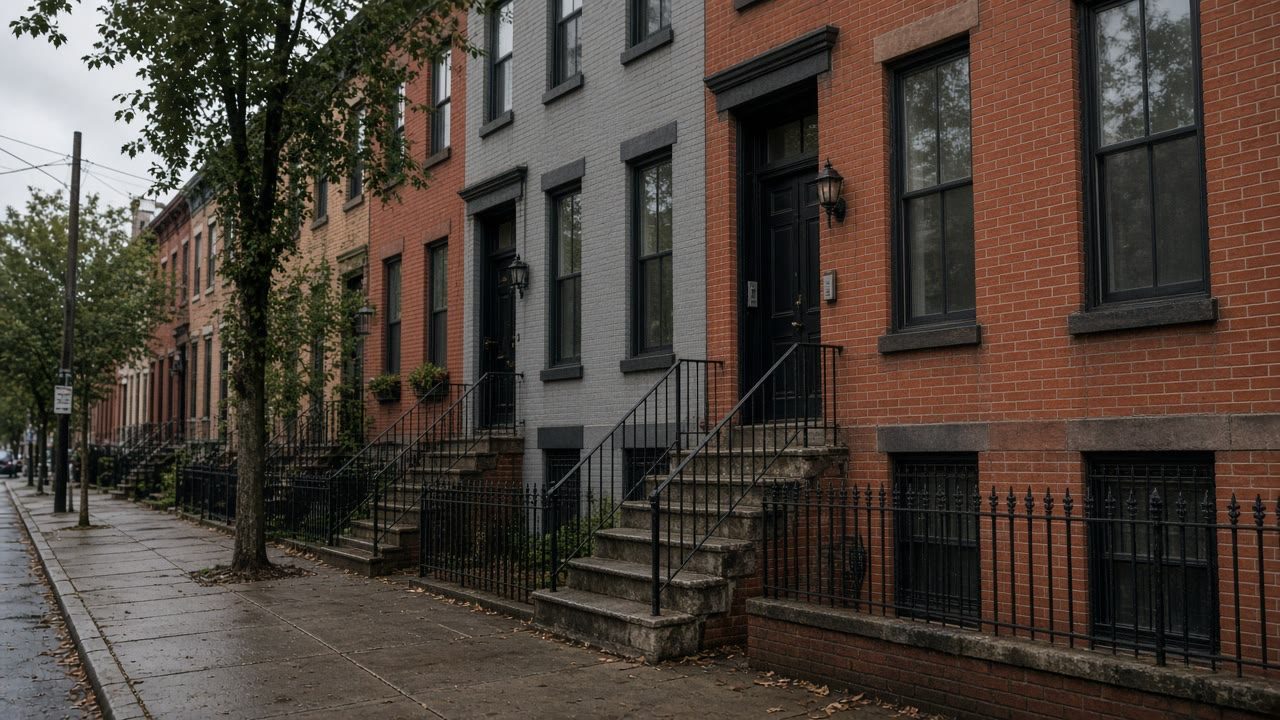
The New Jersey Department of Health states on its mold page that there are no State certification programs for companies performing mold or general indoor air and environmental health services.
Source: New Jersey Department of Health, Consumer, Environmental and Occupational Health Service, accessed 2026-09-20
The IICRC is a private non profit body for the inspection, cleaning and restoration industries, founded in 1972 and run by an elected board of directors, with more than 49,000 active technicians and more than 6,500 firms holding its certification worldwide. It is not a government or state agency.
Source: Institute of Inspection, Cleaning and Restoration Certification, accessed 2026-09-20
New Jersey does license Indoor Environmental Consultants, but the standards at N.J.A.C. 8:50 cover consultants who conduct Indoor Environmental Health Assessments in child care centers and educational facilities, and the application carries a non refundable fee of 2,000 dollars.
Source: New Jersey Department of Health, Consumer, Environmental and Occupational Health Service, accessed 2026-09-20
The header of the Department of Health list of Indoor Environmental Remediation Firms reads: due to a potential conflict of interest, the NJDOH strongly recommends that the company who conducts your environmental health assessment not be the same company who conducts the remediation.
Source: New Jersey Department of Health, Consumer, Environmental and Occupational Health Service, accessed 2026-09-20
The Department of Health guidance booklet for residents advises: consider using a different company to perform testing as well as remediation, because using the same company may present a conflict of interest and should be avoided.
Source: New Jersey Department of Health, Consumer, Environmental and Occupational Health Service, accessed 2026-09-20
Across the Hudson, New York State requires one license for the person who assesses mold and a separate license for the contractor who removes it, and prohibits the same individual or company from performing both roles on the same property, describing the rule as protection against fraud.
Source: New York State Department of Labor, accessed 2026-09-20
Assembly bill A4952 of the 222nd Legislature would prohibit anyone from performing mold inspection, remediation or abatement work unless registered annually with the Director of the Division of Consumer Affairs, and would require commercial general liability insurance from anyone not already carrying it. It was introduced on May 7, 2026 and referred to the Assembly Regulated Professions Committee. Its identical Senate bill S3275 was introduced on February 2, 2026 and referred to the Senate Commerce Committee. As of September 20, 2026 those referrals are the only actions on either history, and neither is law. The legislature's record links both to S4783 of the previous session, which did not become law.
Source: New Jersey Legislature, accessed 2026-09-20
A4952 would also prohibit a mold inspection and remediation contractor from performing both the inspection and the remediation or abatement work at the same premises, with a civil penalty of up to 5,000 dollars for a first offense and revocation of registration for any subsequent offense.
Source: New Jersey Legislature, Assembly bill A4952 as introduced, accessed 2026-09-20
The Home Improvement and Home Elevation Contractor Licensing Act, P.L.2023 c.237, was approved on January 8, 2024. It creates the New Jersey State Board of Home Improvement and Home Elevation Contractors, and its licensing, education and examination sections take effect on the first day of the twenty fifth month after enactment, which is February 1, 2026.
Source: New Jersey Legislature, P.L.2023 c.237 as enacted, accessed 2026-09-20
The Department of Health booklet warns that a building cannot be made permanently free of mold and tells residents to avoid a contractor who claims otherwise.
Source: New Jersey Department of Health, Consumer, Environmental and Occupational Health Service, accessed 2026-09-20
The EPA states that in most cases, if visible mold growth is present, sampling is unnecessary, and that because no EPA or other federal limits have been set for mold or mold spores, sampling cannot be used to check a building's compliance with federal mold standards.
Source: United States Environmental Protection Agency, accessed 2026-09-20
Services this guide relates to
Need someone to look at it?
Send the details and we will come back to you.